
Match the format to the people
Begin by asking the birthday person how they want the gathering to feel. “Quiet and familiar,” “a chance to catch up” and “something playful” are more useful answers than a decorative theme. Check whether they want attention, speeches or photographs. A surprise is only kind when it respects their preferences, schedule and comfort.
A seated lunch gives the day a clear centre but requires enough chairs and coordinated serving. An open-house afternoon allows staggered visits but asks the host to stay available for longer. A board-game evening provides structure, though not every guest will want to learn rules. A picnic reduces indoor setup but needs a weather plan, accessible toilets and a realistic way to carry food.
Consider the cost to guests as well as your own budget. Travel, childcare, compulsory costumes and expectations about gifts can make an apparently simple invitation demanding. State any shared expenses before people commit. Never turn a surprise bill into part of the celebration.
Give a familiar format a personal thread
A listening lunch
Invite guests to suggest a song that reminds them of the birthday person. The Beatles, Stevie Wonder, ABBA and Nina Simone offer very different musical starting points; choose what the person actually enjoys. Keep the volume conversational and the playlist short enough to feel intentional. Check venue music requirements if hosting outside a private home.
A game-table gathering
Use a mix of familiar and easy-to-explain games. Scrabble suits people who enjoy words; UNO offers quick turns; Codenames encourages team discussion; Ticket to Ride needs more table space and learning time. Check the edition’s rules, player count and accessibility rather than assuming every game works for everyone.
A story-and-supper evening
Ask willing guests to bring one short memory or a photograph they have permission to share. A few recollections around the table can feel warmer than a formal speech. Make participation optional, avoid embarrassing stories and do not display private photographs without agreement.
For a film-inspired gathering, choose a work the birthday person genuinely likes, such as Singin’ in the Rain or My Neighbor Totoro, rather than relying on a decade stereotype. A private viewing and a public screening have different permissions; check the rights and venue rules before planning a screening outside a private household.
A milestone age need not become the theme. Some people love a prominently displayed number; others prefer a celebration without age jokes. Ask before ordering signs, printing photographs or inviting guests to deliver a roast. Respectful humour is more memorable than making someone endure a joke they dislike.
Decorate the places that do the work
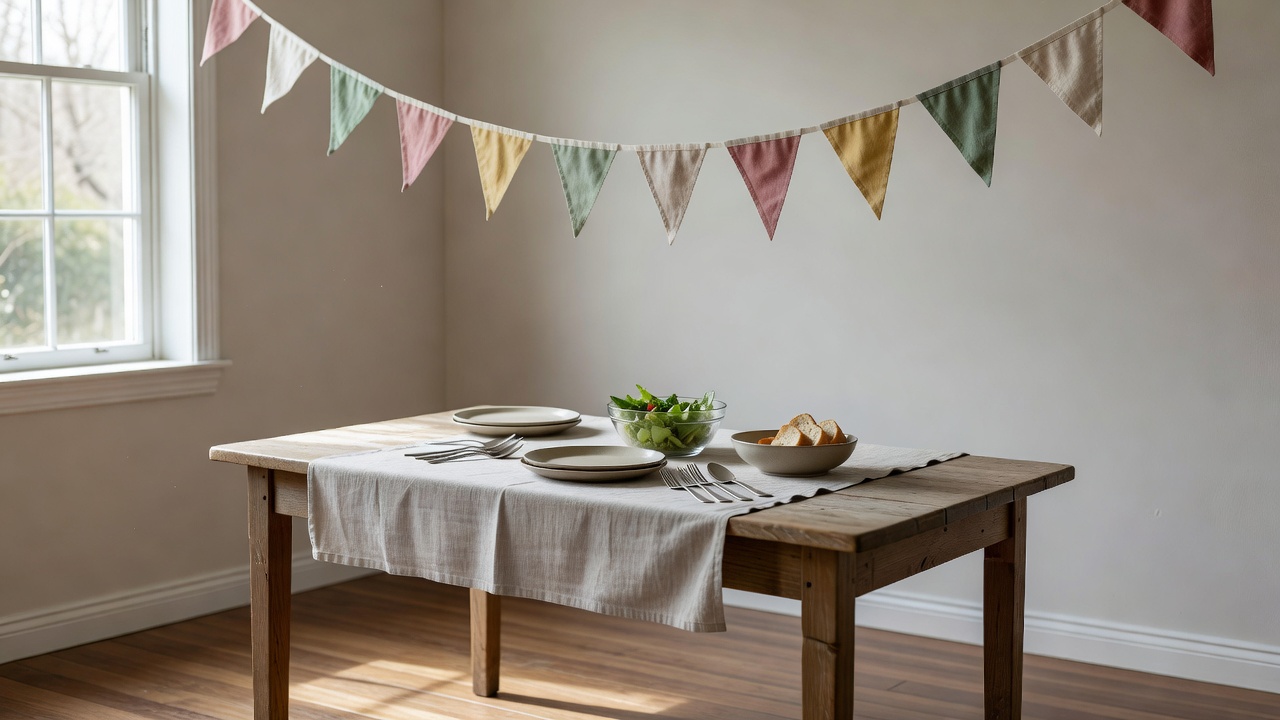
Choose a focal point: the dining table, a cake corner or a wall behind the main seating. Repeat two colours through napkins, paper decorations or existing household objects. Keep centrepieces low enough for people to see one another and leave room for serving dishes.
Lighting should help guests move and read, not simply create atmosphere. Keep entrances and steps clearly lit. Battery-powered candles can provide warmth where open flames would be impractical, but still keep small batteries secured away from children.
Borrow or reuse where sensible. Ordinary plates, a tablecloth already in the cupboard and a handwritten menu often work better than single-use items that need purchasing, assembling and disposing of. Decorations should never block signs, exits or access routes.
Make participation comfortable
Set out enough comfortable seats, not just enough standing space. Ask about step-free access and toilet needs before choosing the venue. Offer a quieter conversation area if music or a lively game will occupy the main room. Keep an activity-free seat available so guests can join socially without taking a turn.
Alcohol is optional, not the organising principle. Provide appealing non-alcoholic choices and plain water in an easy-to-reach place. Do not ask guests why they are not drinking. Consider travel home, and never imply that attending obliges anyone to drink, dance or stay until the final minute.
If people are bringing food, coordinate categories instead of issuing a vague “bring anything.” Confirm who handles the main dish, alternatives, drinks and serving equipment. Ask for ingredient information, and remember that a home-prepared dish may not be suitable for someone with a severe allergy.
Protect the host’s evening by handing over one or two complete tasks. A helper who manages arrivals or clears plates is more useful than several guests asking what they can do while you are cooking. Finish preparations with a defined stopping point; a little unfinished decoration is better than a host who has no energy left to celebrate.
Next: check the space and spending · Build a flexible running order