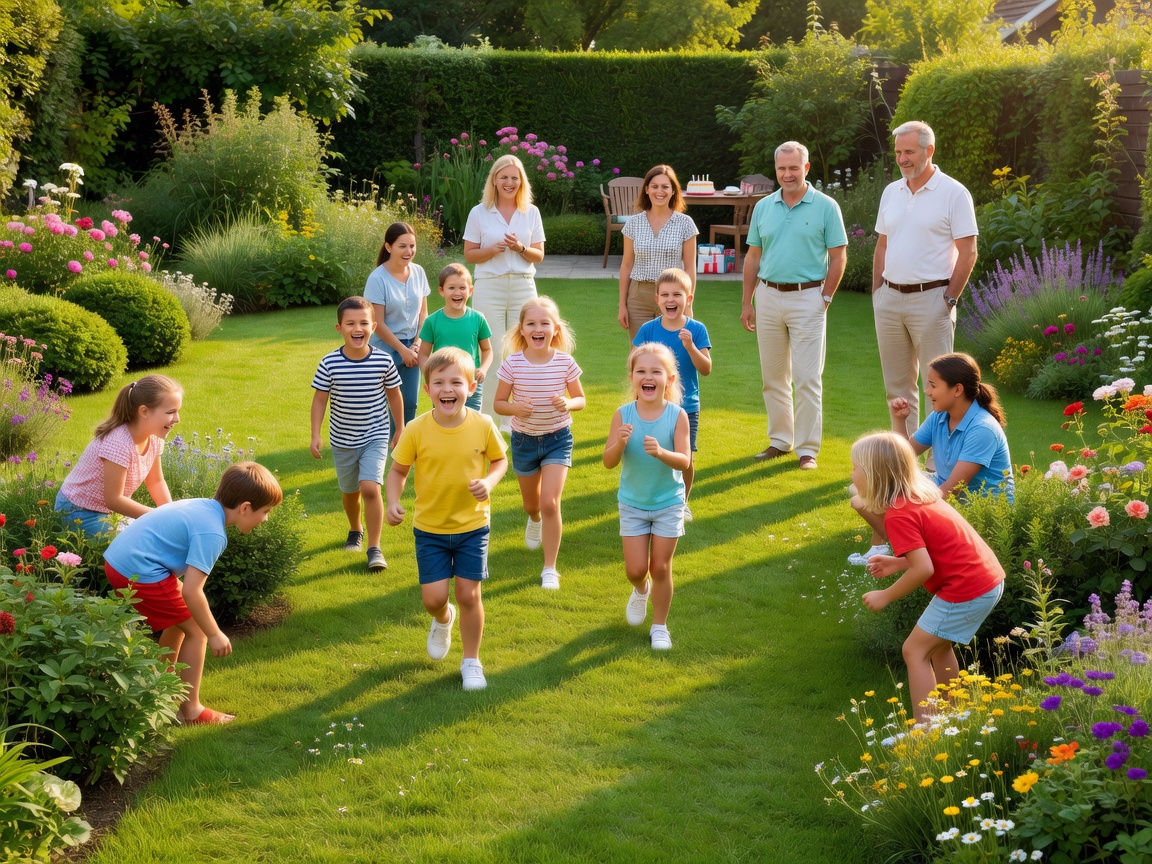
Choose a size you can supervise
Begin with the child, not a catalogue of party packages. Ask whether they would enjoy a few close friends or a larger group, and offer two realistic choices rather than an unlimited menu. Younger children may prefer familiar adults nearby; older children may want more independence. Neither preference requires an elaborate event.
Count every person who will be present, including siblings and accompanying adults. Decide whether parents stay, and put that expectation on the invitation. If children are being dropped off, agree on emergency contacts, collection arrangements and who is supervising before the day. There is no single supervision ratio suitable for every age, activity and venue; check the venue’s requirements and account for individual support needs.
Protect routines where possible. A party that overlaps a usual nap or meal can become difficult even when the activities are lovely. Tell families when food will be offered and choose an end time you can keep. Short and welcoming is better than long and increasingly exhausting.
Let the activity carry the theme
Nature explorers
Use leaf shapes, bird drawings and a simple observation trail. The Woodland Trust and the Royal Society for the Protection of Birds, usually called the RSPB, offer established nature-learning resources. Keep the activity observational: no tasting plants, handling wildlife or wandering beyond the agreed boundary.
A making table
Offer paper, washable colouring materials and cardboard shapes. Children can make a badge, birthday picture or shared mural. Provide easy-grip tools when needed, supervise scissors and choose materials suitable for the youngest child present. A finished object is optional; experimenting is the activity.
A building afternoon
LEGO or DUPLO can inspire a cooperative bridge, town or imaginary animal. Use age-appropriate pieces and keep small parts away from younger siblings. Let children build in pairs or alone. A photograph of the shared creation can replace individual prizes, with family permission.
A story-based theme can borrow the feeling of a favourite book without reproducing every character or buying matching supplies. Eric Carle’s The Very Hungry Caterpillar suggests colourful paper shapes; A. A. Milne’s Winnie-the-Pooh suggests a gentle woodland picnic. These are creative references, not endorsements or permissions to reproduce protected illustrations.
Ask the birthday child which part of the theme matters most. It may be the colour of the cake, a single game or one friend attending. Keep that detail and simplify the rest. A theme should reduce decisions, not multiply them.
Run games without putting anyone on the spot
A cooperative picture trail
- Place large, easy-to-see picture cards within a clearly defined area.
- Show the group what to look for, using spoken instructions and a sample card.
- Let small teams point out finds rather than race to collect them.
- Offer a seated matching version with the same pictures.
- Finish by assembling the pictures into one birthday message.
Walk the route first. Remove trip hazards, keep exits clear and make sure every station is reachable. Do not hide clues beside roads, water, cooking equipment or private rooms.
Make room for a quiet reset
Leave a visible, supervised quieter area with ordinary seating, books or colouring paper. It should not feel like a punishment or be separated from responsible adults. Ask families about sensory needs privately and explain the running order in plain language. Some children find a simple picture sequence useful: arrive, play, eat, cake, goodbye.
Keep decorations away from faces and movement routes. A paper banner behind the cake table gives the room character without filling it with dangling objects. Balloons and broken balloon pieces can be choking hazards; consider paper alternatives and check latex sensitivities before using balloons.
Assign adults specific jobs: one watches the activity, one handles food, and one manages arrivals and collection. Do not assume the person cutting cake is also supervising the whole group. If the plan only works when every adult does three things at once, remove an activity.
Next: plan food and the day’s flow · Write a clear invitation
Useful starting points: Woodland Trust and RSPB. Check materials and activities for your setting.